ORTHODONTICS
Airway Orthodontics
State-of-the-Art Treatment for Better Breathing
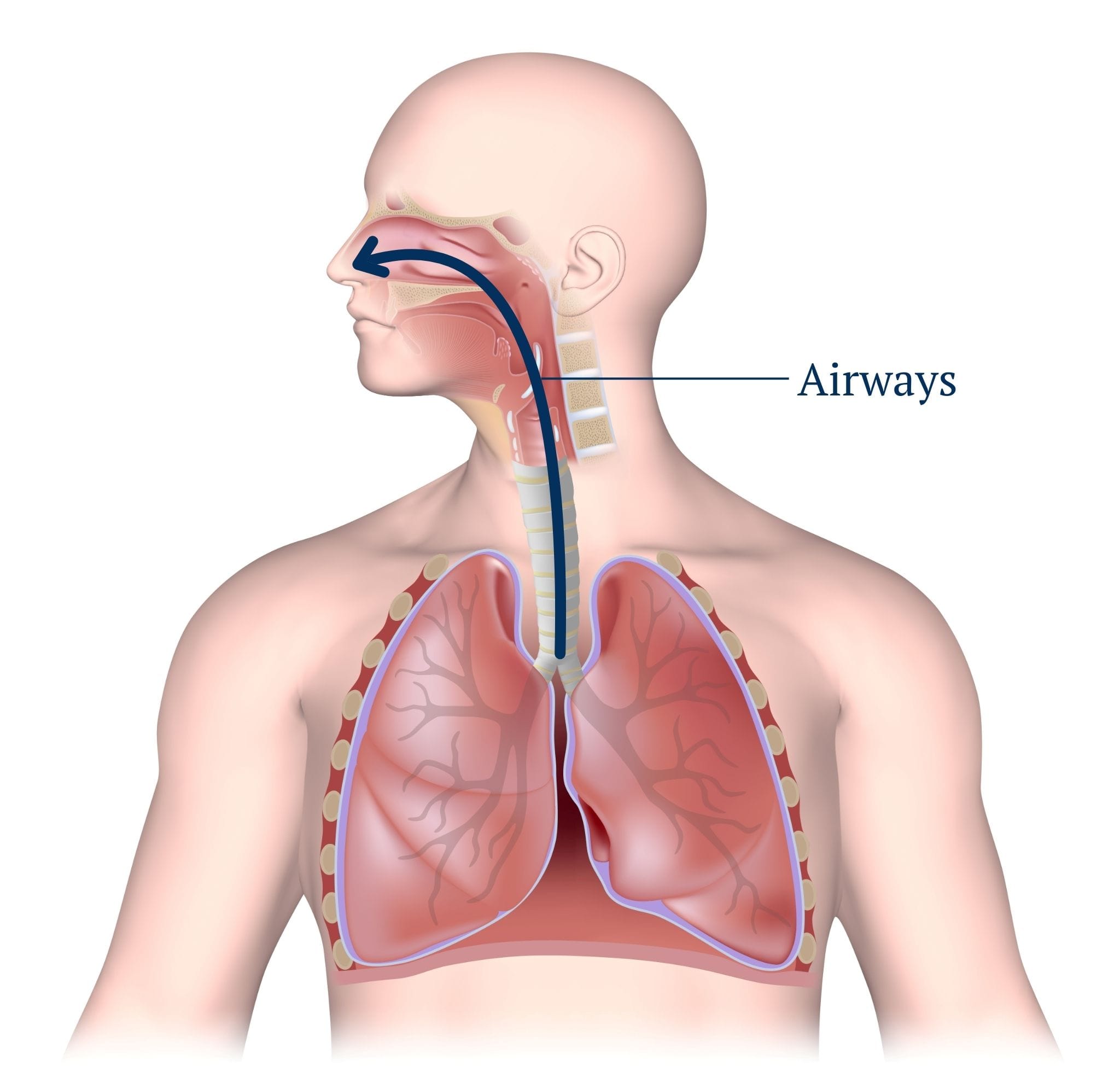
Airway orthodontics is designed to help create more space for the airway, supporting better breathing — one of the body’s most essential needs. Restricted breathing can lead to snoring, sleep apnea, poor sleep and related health problems. Treating the airways can markedly change a person’s health, and in the case of children, can help avoid problems with focus.
A major reason for restricted breathing is a narrow upper jaw. If the upper jaw is too narrow, the tongue has less space and is forced backward, narrowing the airway.
The goal of airway orthodontics is to create more space for the tongue and open the airway. This is achieved through widening the dental arches and, when needed, guiding the upper jaw forward. By improving airflow, patients get the amount of oxygen they need for good sleep and overall health.
Dr. Marcus is highly experienced in airways orthodontics and has trained extensively for nearly two decades with leaders in the field.
How Dr. Marcus Treats Airway Issues
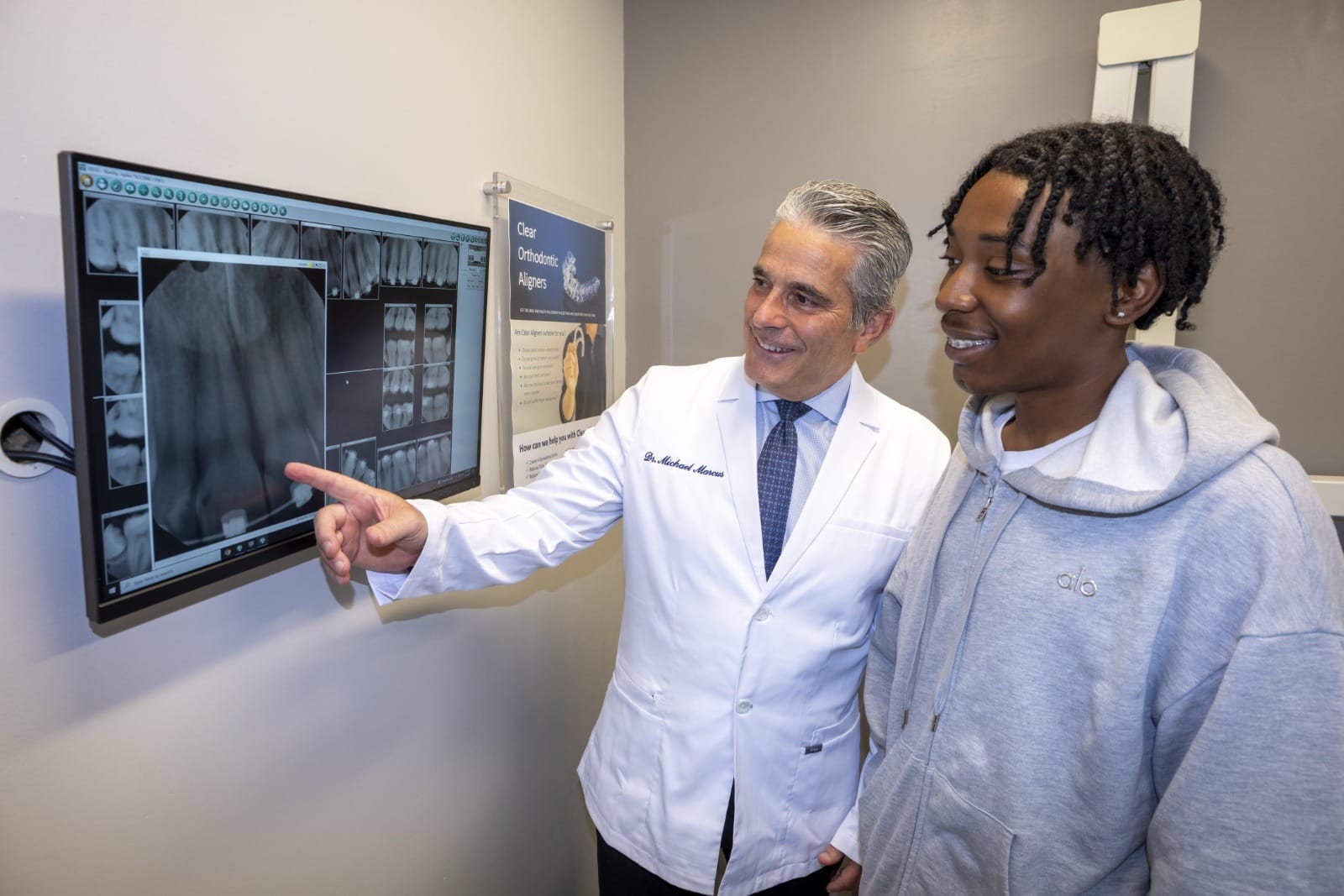
Dr. Marcus’s process begins with a comprehensive evaluation. This includes a detailed examination and a 3D cone beam scan to obtain a full view of the mouth, jaws and airway.
Because the airway and jaw joints are closely connected, Dr. Marcus also checks the temporomandibular joints (TMJ). Jaw joint problems can make breathing more difficult, while restricted breathing can strain the joints. He examines the joints and throat muscles for tension and uses a vibration analysis to spot issues, so he can track improvements as treatment progresses.
Dr. Marcus uses a palatal expander — a small acrylic device worn mainly at night — to gently widen the upper jaw. Expansion creates more space for the tongue, relieves pressure on the jaw, and opens the airway for easier breathing.
In most cases, expansion is followed by clear aligner therapy. Once the jaw has been widened, aligners are used to bring the teeth into their proper positions and close any spaces, leaving patients with improved breathing, healthier jaw function, and a more attractive smile.